End Caps for Gutters: Preventing Leaks in Rochester Hills’ Changing Weather
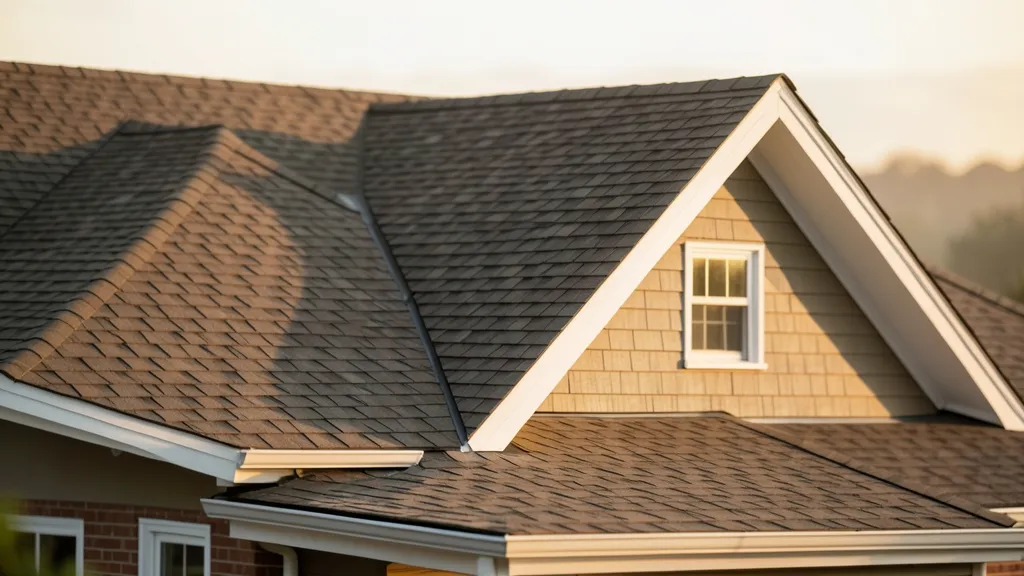
Rochester Hills’ wild swings from freezing winters to heavy spring rains put gutters to the test. End caps are your first line of defense against leaks at the system’s most vulnerable points. We’ll break down how they work, why they fail, and how to keep them tight year-round.
What Are Gutter End Caps and Why Do They Matter?
End caps are the sealed terminals at the ends of gutter runs, preventing water from escaping where the channel stops. Without them, runoff spills behind the fascia, soaking wood and siding.
In our area’s freeze-thaw cycles, poor seals expand and contract, cracking caulk and loosening fasteners. That’s when leaks start—and water damage follows.
Common Types of Gutter End Caps
Most local homes use aluminum end caps, matching the gutter material for thermal stability. Copper caps offer longevity but cost more upfront.
Vinyl end caps are lightweight and resist rust, yet they can brittle in subzero temps. Galvanized steel caps are durable but prone to rust if scratches expose bare metal.
| Material | Pros | Cons |
|---|---|---|
| Aluminum | Lightweight, rust-proof, matches most gutters | Can dent; thermal expansion requires flexible sealant |
| Copper | Long lifespan, corrosion-resistant, premium look | High cost; develops patina over time |
| Vinyl | Affordable, easy to install, no rust | Brittle in extreme cold; limited color options |
| Galvanized Steel | Strong, budget-friendly | Rusts if scratched; heavier than aluminum |
Signs Your End Caps Are Failing
Water staining on the fascia or siding below the gutter ends is a dead giveaway. You might also spot drips or icicles forming at the caps in winter.
Peeling paint or rust streaks near the ends signal moisture intrusion. In severe cases, you’ll see the cap itself pulling away from the gutter.
Even minor drips at end caps can lead to ice dams in winter or wood rot in summer. Address them before they worsen.
Why Rochester Hills’ Climate Tests End Caps
Our freeze-thaw cycles are brutal on seals. Ice forms, expands, and pushes against end caps, breaking caulk bonds. When it thaws, water exploits those gaps.
Heavy spring and fall rains overwhelm gutters if end caps aren’t watertight. Nearby areas like Auburn Hills and Troy see the same issues—clogged downspouts make it worse.
How to Choose the Right End Caps for Your Home
Match the material to your existing gutters for consistent thermal movement. Aluminum is the safest bet for most Rochester Hills homes.
For custom or historic homes, copper end caps add curb appeal and durability. If you’re in a wooded area like Oakland Township, opt for caps with reinforced seals to handle debris buildup.
End Cap Selection Checklist
- Material matches gutter system
- Reinforced seal for freeze-thaw resistance
- Compatible with gutter guards if installed
- Proper size for your gutter profile (K-style, half-round, etc.)
Professional vs. DIY End Cap Installation
DIY installation is possible with the right tools, but improper sealing is a common mistake. We’ve seen homeowners use the wrong caulk, leading to leaks within months.
Professionals use butyl tape or high-grade sealants and secure caps with rivets or screws. For multi-story homes in Shelby Township or commercial properties, hiring a pro is the safer choice.
Clean the gutter end thoroughly before applying sealant. Dirt and oxidation prevent a strong bond.
Maintenance to Extend End Cap Life
Inspect end caps twice a year—once in spring and once in fall. Look for cracks, gaps, or rust. Clear debris from the gutter to prevent water pooling near the caps.
Reapply sealant every 2-3 years, or after extreme weather. If you notice sagging gutters, check the end caps and downspouts—improper slope can stress the seals.
When to Replace vs. Repair End Caps
If the cap is dented, cracked, or pulling away, replacement is often the most effective fix.
For older systems, especially in areas like Rochester with mature trees, upgrading to heavier-duty end caps during a gutter cleaning or repair service can save headaches long-term.
How to Inspect Your Gutter End Caps for Leaks
A quick, safe inspection can catch problems before they lead to costly damage.
- 1Gather Tools
Use a sturdy ladder, work gloves, and a flashlight. For two-story homes, consider a telescopic inspection camera or call a pro.
- 2Check for Visible Damage
Look for cracks, rust, or gaps between the end cap and gutter. Note any water stains on the fascia or siding below.
- 3Test for Leaks
Run a garden hose at the gutter’s far end and watch the end cap. If water drips or sprays out, the seal is compromised.
- 4Assess Sealant Condition
Press gently on the sealant. If it’s brittle or peeling, it’s time to reapply. Clean the area first for a strong bond.
- 5Look for Structural Issues
Ensure the gutter hasn’t pulled away from the fascia, which can stress the end cap. Check for proper slope toward downspouts.
Frequently Asked Questions
Can I use silicone caulk on my gutter end caps?
Silicone works but isn’t ideal for gutters in freeze-thaw climates. We recommend butyl tape or a high-quality gutter sealant designed for flexibility in temperature swings.
How often should I clean my gutters to protect the end caps?
Twice a year is the minimum for Rochester Hills homes. If you have overhanging trees, like in parts of Oakland Township, increase to 3-4 times yearly to prevent clogs that strain end caps.
Do gutter guards affect end cap performance?
Yes—poorly installed gutter guards can trap debris against end caps, causing water to pool and seals to fail. Ensure guards are properly sloped and don’t block runoff at the ends.
What’s the most common cause of end cap leaks in this area?
Freeze-thaw cycles are the top culprit. Ice expansion cracks sealant, and thawing water exploits those gaps. Improper initial installation is a close second.
Should I replace end caps when getting new gutters?
Absolutely. New gutters deserve new end caps with fresh seals. It’s a small upfront cost that prevents leaks and extends the system’s life, especially in our climate.
Can end cap leaks cause basement flooding?
Indirectly, yes. If water spills behind the fascia, it can run down the foundation, contributing to basement moisture. Properly sealed end caps and downspouts direct water safely away.