Mesh vs. Reverse Curve Gutter Guards: Which Works Best in Rochester Hills
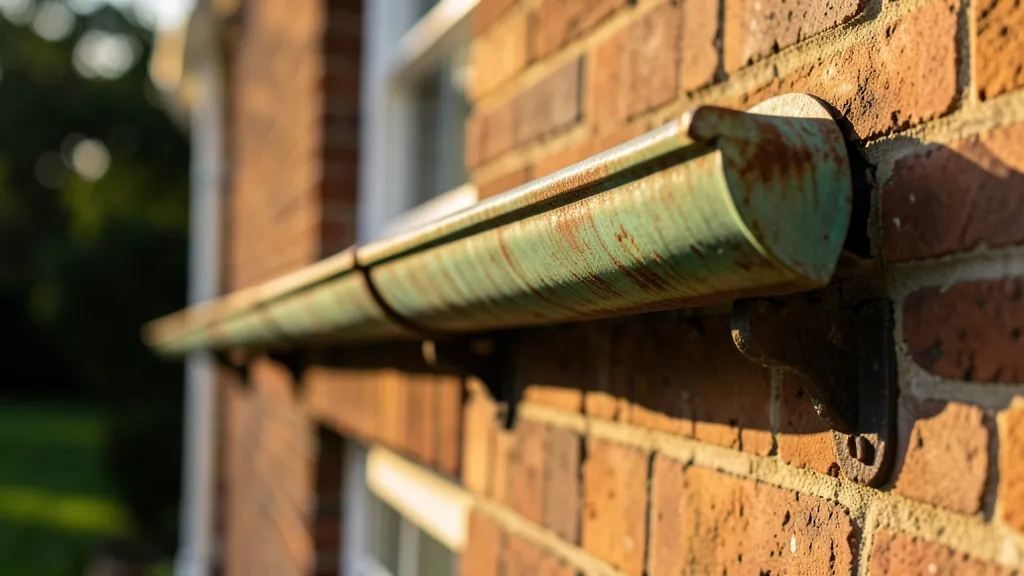
Choosing the right gutter guard can mean the difference between a maintenance-free system and a clogged, overflowing mess. In our area, heavy oak and maple debris plus seasonal ice and snow demand a solution that balances airflow and protection. We break down mesh versus reverse curve guards so you can pick what truly fits Rochester Hills conditions.
Why Gutter Guards Matter in Our Climate
Rochester Hills sees heavy leaf drop in fall, icy winters, and spring storms that push gutters to their limits. Without protection, organic debris accumulates fast, leading to clogs, water damage, and even foundation issues.
Gutter guards act as a first line of defense, reducing cleaning frequency and preventing water from backing up under shingles or pooling near your home’s base.
Mesh Gutter Guards: Fine Filtration for Small Debris
Mesh guards use a fine screen—often stainless steel or aluminum—to block leaves, pine needles, and even small seeds while allowing water to flow through. Micro-mesh variants stop nearly all debris, ideal for homes surrounded by mature trees.
They’re low-profile, barely visible from the ground, and work well on most roof pitches. However, fine mesh can clog with pine pollen or shingle grit if not occasionally rinsed or brushed off.
If your property has pine, cedar, or small-leaf trees, micro-mesh guards outperform larger screens by preventing even the finest particles from entering the gutter.
Reverse Curve Guards: Surface Tension in Action
Reverse curve systems use a curved lip to direct water into the gutter while guiding leaves and debris over the edge. They rely on surface tension, so water clings to the curve and flows in, while solid debris slides off.
These work exceptionally well for large leaves like oak or maple but can struggle with smaller debris or in heavy rain when surface tension is overwhelmed. They’re also more visible and may not suit every home’s aesthetic.
During torrential rains common in Oakland County storms, reverse curve guards can allow some water to overshoot the gutter. Proper installation and slope are critical.
Mesh vs. Reverse Curve: Side-by-Side Comparison
Both systems reduce cleaning needs, but their performance varies by debris type, roof design, and local weather. Below, we compare key factors to help you decide.
| Feature | Mesh Guards | Reverse Curve Guards |
|---|---|---|
| Debris Handling | Excellent for fine debris (pine needles, seeds) | Best for large leaves (oak, maple) |
| Water Flow | High; minimal overflow risk | Moderate; can overshoot in heavy rain |
| Visibility | Low-profile, nearly invisible | More noticeable due to curve |
| Maintenance | Occasional rinsing for fine mesh | Less frequent, but debris can accumulate on curve |
| Installation | Fits most gutters; DIY-friendly | Requires precise alignment; professional install recommended |
| Ice/Snow Performance | Can trap ice if not sloped properly | Sheds snow better but may ice over in extreme cold |
| Cost Factors | Varies by material (aluminum vs. stainless) | Generally higher due to design complexity |
Local Considerations: Rochester Hills Trees and Weather
Our area’s mix of oak, maple, and pine trees means homes often deal with both large leaves and fine needles. Mesh guards handle the latter better, while reverse curve systems excel with the former.
Winter brings ice dams and freezing rain. Mesh can trap ice if not properly sloped, while reverse curve guards may allow snow to slide off more easily—but both need regular inspections after storms.
Installation and Compatibility with Existing Systems
Not all gutter guards fit every gutter type. Mesh screens often clip onto existing gutters or slide under shingles, making them adaptable to most homes in Rochester, Auburn Hills, or Troy.
Reverse curve guards typically require professional installation to ensure the curve aligns perfectly with the roof edge. They may not work well with steep pitches or custom gutter shapes.
Pre-Installation Checklist
- Inspect gutters and downspouts for damage or misalignment
- Measure roof pitch to ensure compatibility
- Clear existing debris before installation
- Check for ice dam history in winter months
- Verify warranty and material durability (aluminum vs. stainless)
Maintenance: What to Expect Long-Term
No gutter guard is 100% maintenance-free. Mesh guards need occasional rinsing to clear pollen or grit, especially in neighborhoods with heavy tree cover like Oakland Township or Shelby Township.
Reverse curve systems may require brushing off accumulated debris from the curve’s surface. Both types benefit from annual inspections, particularly after severe storms or before winter.
When to Call in the Pros for Gutter Guard Installation
While DIY mesh guards are manageable for handy homeowners, reverse curve systems often demand professional expertise. Improper installation can lead to water overflow, debris buildup, or even roof damage.
Our team serves Rochester Hills, Auburn Hills, Troy, and surrounding areas with precise installations tailored to local conditions. We also offer gutter repair, resealing, and downspout cleaning to ensure your entire system works seamlessly.
How to Choose the Right Gutter Guard for Your Home
Follow these steps to match your home’s needs with the best gutter protection.
- 1Assess Your Debris
Identify the primary debris in your yard. Large leaves? Pine needles? A mix? This dictates whether mesh or reverse curve is better suited.
- 2Evaluate Roof Pitch
Steep roofs may need mesh for secure attachment, while gentler slopes can accommodate reverse curve guards more easily.
- 3Check Gutter Condition
Ensure your gutters are in good shape before installing guards. Repair any sagging, leaks, or misalignments first.
- 4Consider Aesthetics
If curb appeal matters, mesh guards are less visible. Reverse curve guards are functional but more noticeable.
- 5Factor in Climate
For icy winters, prioritize guards that shed snow and resist ice dams. Mesh may need heating cables in extreme cases.
- 6Request a Professional Consultation
For a tailored recommendation, have a local expert inspect your roof, gutters, and surrounding trees.
Frequently Asked Questions
Do gutter guards eliminate the need for cleaning entirely?
No, but they drastically reduce frequency. Mesh guards may need rinsing 1-2 times a year, while reverse curve systems require occasional debris removal from the surface. Annual inspections are still wise.
Which gutter guard handles oak leaves best in Rochester Hills?
Reverse curve guards are ideal for large oak leaves, as they shed them over the edge. Mesh can work but may clog faster if the leaves are wet or mat together.
Can I install gutter guards myself?
DIY is possible for mesh screens, especially if your gutters are easily accessible. Reverse curve guards, however, often require professional installation to ensure proper alignment and performance.
How do gutter guards perform in heavy snow?
Mesh guards can trap snow and ice if not sloped correctly, potentially causing ice dams. Reverse curve guards allow snow to slide off more easily but may still ice over in extreme cold.
Are gutter guards worth it for homes with few trees?
Even with minimal trees, guards reduce maintenance from wind-blown debris, pollen, and shingle grit. They also help prevent clogs in downspouts, which can occur regardless of tree cover.
Do gutter guards affect my roof warranty?
Some roofing manufacturers require specific installation methods for gutter guards to avoid voiding warranties. Always check with your roofing contractor or warranty provider before installing.