How Proper Gutter and Downspout Systems Prevent Basement Flooding in Rochester Hills
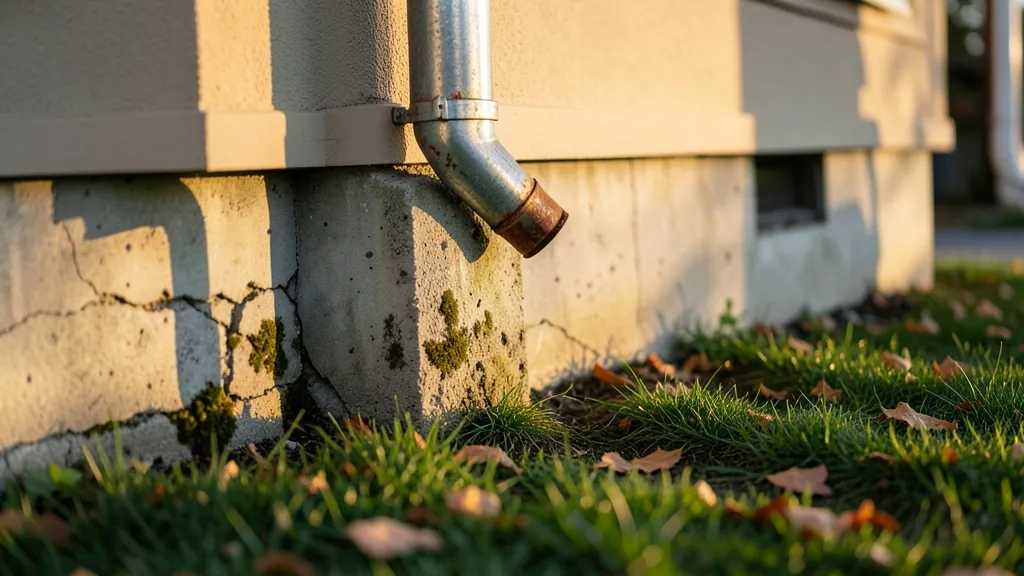
Basement flooding in our area often starts with a single overlooked detail: gutters and downspouts that can’t handle Michigan’s heavy rains and rapid thaws. We’ve seen firsthand how a well-maintained gutter system diverts thousands of gallons away from your foundation—while a neglected one turns your basement into a swimming pool.
Why Rochester Hills Homes Are Prone to Basement Flooding
Our local clay soil doesn’t absorb water quickly, so runoff from roofs with poor drainage pools near foundations. Add Rochester Hills’ frequent spring downpours and winter freeze-thaw cycles, and you’ve got a recipe for hydrostatic pressure against basement walls.
Neighborhoods with older homes in Rochester, Auburn Hills, and Troy often lack modern gutter capacity or proper downspout extensions. Even newer builds in Oakland Township can suffer if gutters weren’t sized for Michigan’s storm intensity.
How Gutters and Downspouts Work Together to Protect Your Home
Gutters collect roof runoff and channel it to downspouts, which should discharge at least 5–10 feet from your foundation. Without this system, water sheets off the roof, erodes soil, and seeps into basements through cracks or porous concrete.
Downspout extensions or splash blocks are non-negotiable here. In Rochester Hills, we often see extensions that are too short or disconnected, sending water right back toward the house. Properly sloped gutters (¼ inch per 10 feet) ensure water flows toward downspouts without pooling.
In areas like Shelby Township with heavy tree cover, add gutter guards to reduce clogs—but inspect them twice a year. Guards can hide debris buildup that still blocks flow.
Signs Your Gutter System Is Failing (Before the Basement Floods)
Water stains on fascia or soffit mean gutters are overflowing. If you see erosion or small trenches in your landscaping below the roofline, your downspouts aren’t directing water far enough away.
Peeling paint on siding or rust on gutter seams signals chronic moisture. In winter, ice dams at the roof edge often stem from clogged gutters trapping meltwater that refreezes.
Red Flags to Watch For
- Gutters sagging or pulling away from the roof
- Downspouts discharging within 3 feet of the foundation
- Visible rust, cracks, or separations in gutter seams
- Water pooling near the basement walls after rain
Gutter Materials and Styles: What Works Best in Our Climate
Seamless aluminum gutters resist corrosion and handle temperature swings well, making them a top choice for Rochester Hills homes. Copper offers longevity but comes at a premium and develops a patina over time.
K-style gutters hold more water than half-round, which is critical during our intense summer storms. For historic homes in Rochester or Troy, half-round may be preferred for aesthetics, but capacity should be verified.
| Material | Durability | Cost Factor | Best For |
|---|---|---|---|
| Aluminum (Seamless) | High (20-30+ years) | Moderate | Most homes; resists rust |
| Copper | Very High (50+ years) | High | Upscale or historic properties |
| Vinyl | Low-Moderate (10-15 years) | Low | Budget projects; prone to cracking in cold |
| Steel (Galvanized) | Moderate (15-20 years) | Moderate-High | Heavy-duty needs; can rust over time |
Downspout Strategies to Keep Water Away from Your Foundation
Standard downspouts should empty into extensions that carry water to a splash block or underground drain. In flat yards common in Oakland Township, consider pop-up emitters to release water 10+ feet from the house without tripping hazards.
For homes with chronic issues, we often install additional downspouts or oversized (3x4 inch) versions. French drains tied into downspout systems can handle heavy volume, but they require proper grading to avoid backflow.
Never let downspouts drain onto a neighbor’s property or into municipal storm systems without approval. This can create liability and legal headaches in Rochester Hills.
The Role of Gutter Guards: Help or Hinderance?
Gutter guards reduce debris buildup, which is a lifesaver in tree-heavy areas like Auburn Hills. However, they’re not maintenance-free. Pine needles and fine organic matter can still accumulate on top, requiring occasional cleaning.
Reverse-curve and mesh guards perform best here, but they must be professionally installed to avoid creating new problems. Poorly fitted guards can cause water to overshoot the gutter entirely during heavy rain.
When to Call for Professional Gutter Repair or Cleaning
If your gutters are overflowing despite being ‘clean,’ they may be improperly pitched. Our team often reseals leaking seams or reslopes gutters during inspections in Rochester Hills and surrounding areas.
After major storms, check for bent gutters or downspouts pulled away from the house. Storm damage gutter cleanup isn’t just about debris—it’s about restoring function before the next rain.
Long-Term Solutions: Gutter Upgrades and Drainage Systems
For homes with recurring basement water, we often pair gutter upgrades with improved grading and sump pump systems. In low-lying areas near Rochester or Troy, a combination of larger gutters, additional downspouts, and underground piping may be necessary.
Commercial properties in Auburn Hills or Shelby Township benefit from box gutters and internal drainage systems designed for high-volume runoff. Regular roof and gutter inspections catch small issues before they escalate into costly water damage.
How to Inspect Your Gutters for Flood Prevention
A quick, safe inspection can reveal potential problems before they lead to basement flooding.
- 1Check for Visible Damage
From the ground, look for sagging, rust, or gaps in the gutter seams. Use binoculars to inspect the roof edge for signs of overflow or ice dams.
- 2Test the Slope
Spray a hose into the gutter from one end. Water should flow smoothly toward the downspout. If it pools, the slope needs adjustment.
- 3Inspect Downspouts and Extensions
Ensure downspouts are securely attached and extensions carry water at least 5 feet from the foundation. Reattach or extend as needed.
- 4Clear Debris
Remove leaves and twigs from gutters and downspouts. For clogged downspouts, use a plumber’s snake or hose to flush from the top.
- 5Check for Leaks
Run water through the system and watch for drips at seams or end caps. Mark leak spots for sealing or repair.
- 6Verify Drainage Path
After rain, follow the water’s path from downspouts. If it’s pooling near the house, adjust extensions or add splash blocks.
Frequently Asked Questions
How often should gutters be cleaned in Rochester Hills to prevent basement flooding?
We recommend cleaning gutters at least twice a year—once in late spring after seed pods and blossoms fall, and again in late fall after leaves drop. Homes with heavy tree cover in areas like Auburn Hills or Oakland Township may need quarterly cleanings.
Can gutter guards eliminate the need for cleaning?
No. Gutter guards reduce debris buildup but don’t eliminate it. Fine particles like pine needles or roof grit can still accumulate, and guards themselves can clog. Annual inspections and occasional cleaning remain essential.
What’s the most common gutter issue that leads to basement flooding in our area?
Clogged downspouts or improperly sloped gutters are the top culprits. When water can’t flow freely, it overflows near the foundation. In Rochester Hills, we also see many downspouts that are too short, dumping water right at the base of the house.
Are seamless gutters worth the investment for Michigan homes?
Yes, for most homes. Seamless gutters reduce leak points and handle thermal expansion better than sectional gutters, which is critical in our climate with freezing winters and hot summers. They’re a long-term solution that pays off in durability.
How do I know if my downspouts are the right size for my roof?
A general rule is one downspout for every 20–30 feet of gutter, but this depends on roof pitch and rainfall intensity. In Rochester Hills, steeper roofs or larger homes often need oversized (3x4 inch) downspouts. A professional inspection can confirm if yours are adequate.
Can gutter problems cause foundation damage beyond basement flooding?
Absolutely. Chronic water pooling near the foundation can erode soil, create cracks, and even shift the foundation over time. In severe cases, this leads to structural issues that are far costlier to repair than gutter maintenance.