Preventing Ice Dams and Water Damage with Essential Gutter Care in Rochester Hills
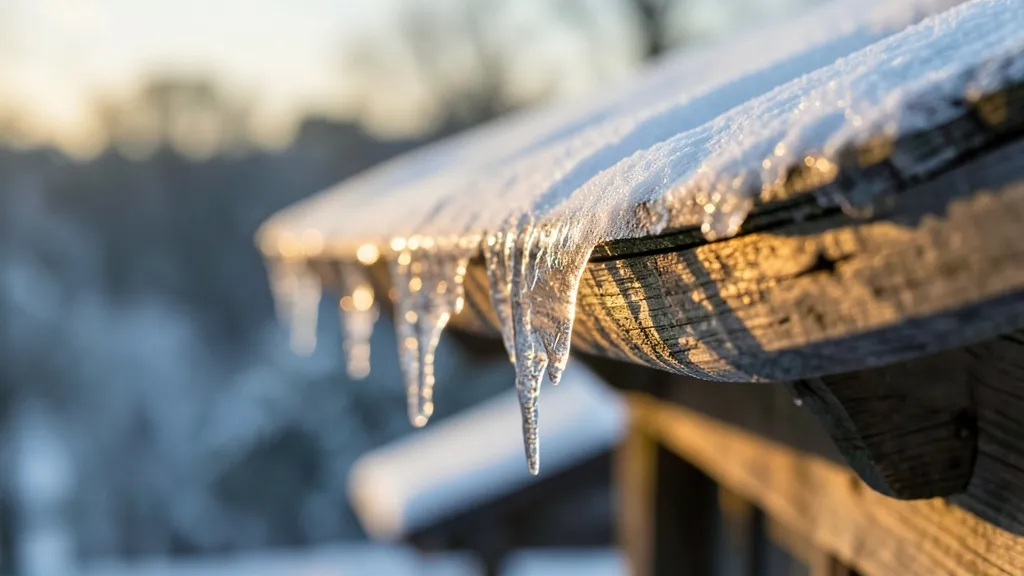
Rochester Hills homes face harsh freeze-thaw cycles that turn clogged gutters into ice dam magnets. Proper gutter maintenance isn’t just seasonal—it’s your first line of defense against costly water intrusion and structural harm. We’ll show you how to keep your system flowing freely, no matter what Michigan winter throws at it.
Why Rochester Hills Homes Are Prone to Ice Dams
Our region’s dramatic temperature swings—from subzero nights to thawing afternoons—create perfect conditions for ice dams. When heat escapes from poorly insulated attics, it melts snow on the roof. That water refreezes at the colder eaves, forming a dam that traps meltwater.
Clogged gutters and downspouts worsen the problem by preventing proper drainage. Without clear pathways, water pools, refreezes, and eventually forces its way under shingles, into fascia boards, or even through ceilings.
Ice dams often form silently. By the time you see water stains on interior walls, damage to roof decking and insulation may already be extensive.
The Role of Gutters in Ice Dam Prevention
Clean, well-sloped gutters channel meltwater safely away from your roof’s edge. This reduces the refreezing that builds ice dams. Even partial clogs can create backups that accelerate dam formation.
Properly functioning downspouts are just as critical. They must direct water at least 5–10 feet from the foundation to prevent pooling and refreezing near the home’s base.
Gutter Cleaning Frequency for Michigan’s Climate
In Rochester Hills, we recommend gutter cleaning at least twice a year: once in late fall after leaf drop, and again in early spring to clear winter debris. Homes near mature trees or in neighborhoods like Stony Creek or Paint Creek may need quarterly service.
Heavy snowfall and frequent storms can also demand mid-winter inspections. Ice and frozen debris can block gutters even when they appeared clear in fall.
Gutter Guards: Help or Hinder in Freezing Conditions?
Not all gutter guards perform equally in cold climates. Reverse-curve and surface-tension systems can still allow ice to form on top, while mesh screens may trap debris that freezes solid. Some homeowners in Troy or Auburn Hills find micro-mesh guards the most effective for keeping pine needles out without impeding flow.
The best guards are those that allow meltwater to flow while blocking debris. However, no guard eliminates the need for periodic inspections—especially after heavy storms.
| Type | Debris Blocking | Ice Buildup Risk | Maintenance Needs |
|---|---|---|---|
| Reverse-Curve | High | Moderate-High | Low |
| Mesh (Standard) | Moderate | Moderate | Moderate |
| Micro-Mesh | Very High | Low | Low |
| Brush/Foam | Low | High | High |
Signs Your Gutters Need Attention Before Winter Hits
Sagging gutters, overflowing water during rain, or visible rust and separation at the seams are red flags. Also check for granular residue from shingles—this can clog downspouts and signal roof wear.
Inside your home, peeling paint near the roofline or water stains on ceilings often trace back to gutter failures. Catching these early can prevent ice dam formation and structural damage.
Pre-Winter Gutter Inspection Checklist
- Check for sagging or misaligned sections
- Ensure downspouts are securely fastened and unobstructed
- Look for rust, cracks, or separated seams
- Verify proper slope toward downspouts (¼ inch per 10 feet)
- Test drainage with a garden hose (if temperatures allow)
Gutter Repair and Reinforcement for Harsh Winters
Loose hangers, leaking seams, and improper pitch are common issues we address before winter. Re-sealing miters and end caps with high-grade sealant prevents leaks that lead to ice buildup. In some cases, re-sloping gutters ensures water flows toward downspouts efficiently.
For homes in Oakland Township or Shelby Township with older systems, upgrading to seamless aluminum gutters can reduce failure points. Copper gutters, while durable, may require specialized care to maintain their performance in freezing conditions.
Use stainless steel screws instead of nails for hanger installation. They resist loosening from freeze-thaw cycles far better.
Downspout Drainage: The Often-Overlooked Key
Even perfectly clean gutters fail if downspouts don’t direct water far enough from the foundation. Extensions should discharge onto a splash block or into a buried drain pipe leading at least 10 feet away.
In flat or poorly graded yards common in parts of Rochester, consider adding pop-up emitters or French drains to handle excess runoff. This prevents refreezing that can create hazardous ice patches near walkways.
When to Call in the Professionals
If your gutters are more than one story high, or if you notice persistent clogs despite regular cleaning, it’s time for expert help. We use high-reach equipment and specialized tools to safely clear debris and inspect for hidden damage.
For commercial properties or large homes in areas like Rochester or Auburn Hills, professional gutter cleaning and maintenance plans ensure consistent protection against ice dams and water damage.
How to Safely Inspect Your Gutters Before Winter
A quick pre-winter inspection can save you from costly ice dam repairs.
- 1Gather Tools
Use a sturdy ladder, gloves, and a garden hose with a spray nozzle. A trowel or gutter scoop helps remove debris.
- 2Check for Visible Damage
Look for cracks, rust, or separated seams. Pay special attention to areas near roof valleys and downspout connections.
- 3Clear Debris
Remove leaves, twigs, and sediment by hand or with a scoop. Avoid using sharp tools that can scratch gutter surfaces.
- 4Test Water Flow
Run water from a hose through the gutters. It should flow smoothly to downspouts without pooling. If it doesn’t, check for clogs or improper slope.
- 5Inspect Downspouts
Ensure water exits at the base and drains away from the foundation. Use a plumber’s snake or hose to clear any blockages inside the downspout.
Frequently Asked Questions
Can gutter cleaning really prevent ice dams in Rochester Hills?
Yes. Clean gutters allow meltwater to flow freely, reducing the refreezing that forms ice dams. However, proper attic insulation and roof ventilation are also critical to minimize heat loss that causes melting in the first place.
How do I know if my home has poor gutter slope?
Standing water in gutters after rain or visible sagging are clear signs. Properly sloped gutters should have a slight decline (about ¼ inch per 10 feet) toward downspouts. If unsure, a professional can assess and adjust the pitch.
Are gutter guards worth it for homes with lots of trees?
In tree-heavy areas like parts of Shelby Township, high-quality micro-mesh gutter guards can significantly reduce maintenance. They block debris while allowing water to flow. However, they’re not maintenance-free—periodic checks are still needed, especially after storms.
What’s the best way to handle ice already forming in my gutters?
Never chip away at ice with sharp tools—this can damage gutters and roofing. Instead, use a calcium chloride ice melt (not rock salt, which can harm plants and metals) to create channels for water to flow. For severe buildup, call a professional to safely remove the ice.
Do gutters need to be cleaned in the winter, or is fall enough?
Fall cleaning is essential, but mid-winter inspections are wise in Rochester Hills. Heavy snow, freezing rain, and wind can introduce new debris or cause ice blockages. A quick check after major storms can prevent bigger issues.
Can damaged gutters cause basement flooding?
Absolutely. Clogged or improperly sloped gutters can overflow, sending water pooling near your foundation. Over time, this can lead to basement seepage or flooding, especially in homes with poor yard drainage. Proper gutter maintenance is a key part of basement waterproofing.